


Behind the Glam: How New US Safety Bills Could Transform Beauty Industry Staffing
By Lisa Malatesta, VP of PRC Staffing

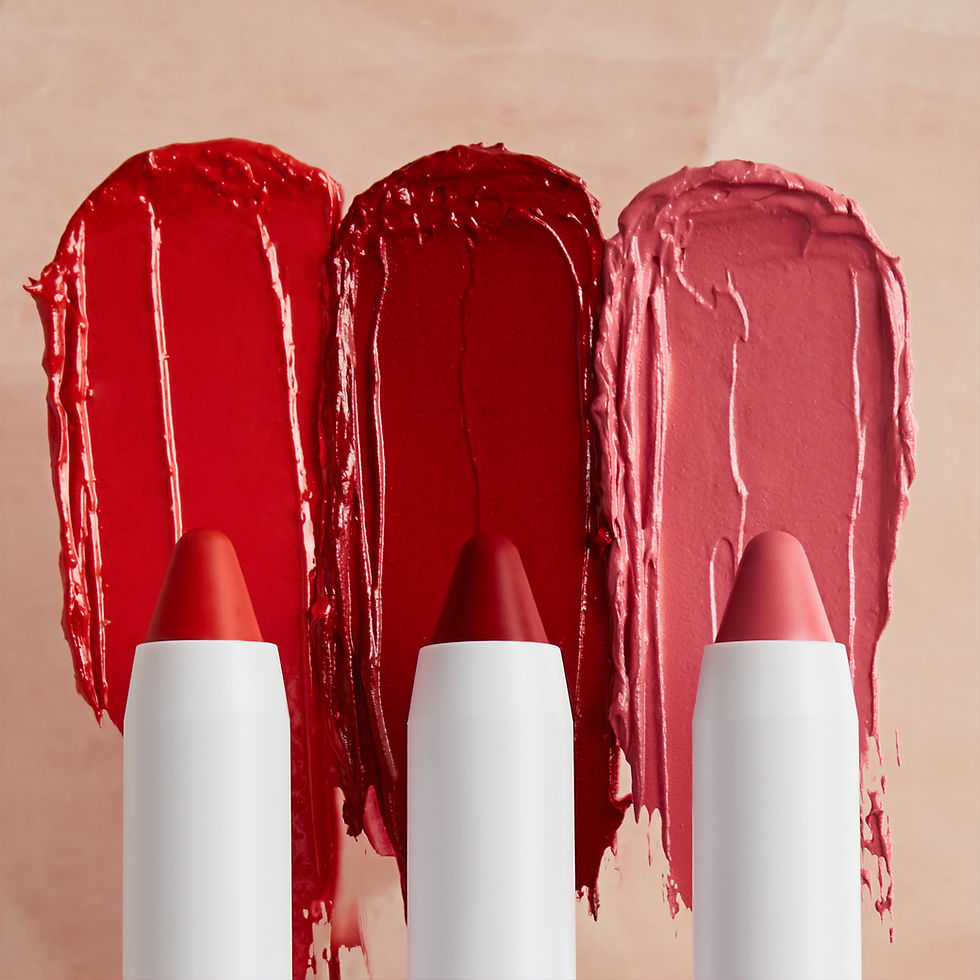
Scroll through TikTok for five minutes and you'll see it: flawless makeup transformations, glossy lips catching ring lights, and influencers promising their "holy grail" products will change your life. The beauty industry has mastered the art of visual seduction, capturing the attention of Millennials and Gen Z with dopamine-hitting content that makes purchase decisions feel effortless.
But behind those perfectly curated videos lies a complex workforce reality that the staffing industry needs to understand—especially as new federal legislation threatens to reshape how U.S. beauty companies operate.
The Hidden Cost of Beauty: What's Really in Those Viral Products?
Few consumers consider what goes into making the latest lipstick or skincare products. These promotions “gloss over” who's exposed to potentially harmful ingredients during manufacturing. The U.S. beauty industry has operated under surprisingly minimal federal oversight, with many products containing chemicals banned in Europe for decades.
While consumer trends have been leaning away from these products, there are brands that still use them. Currently, the FDA prohibits only a handful of ingredients in cosmetics, including mercury compounds, chloroform, and hexachlorophene, leaving hundreds of potentially harmful chemicals unregulated. Lead (often used in lipsticks and eyeshadows), formaldehyde (often used in nail polish), and phthalates (used in many fragrances, nail polishes and hairspray) regularly appear in cosmetics sitting on American shelves. Many of these chemicals have proven to improve performance or shelf-life of the products. However, evidence is mounting that the chemicals affect not just consumers but the workers who manufacture, package, and apply these products daily.
The proposed "Safer Beauty Bill Package" would ban the most toxic ingredients in everyday cosmetics and create protections for the workers exposed to them. This legislation represents a seismic shift for an industry that has largely self-regulated since the 1930s.
A Legislative Foundation Already in Motion
The groundwork for change was laid in 2022 when President Biden signed the Modernization of Cosmetics Regulation Act (MoCRA), which the FDA calls the most significant expansion of its authority to regulate cosmetics since 1938. This legislation gave federal regulators new teeth, but advocates argued it didn't go far enough. With the new US administration, industry experts continue to watch the progress of implementation and oversight of the MoCRA guidelines.
Now, Representatives Jan Schakowsky of Illinois, Lizzie Fletcher of Texas, Doris Matsui of California, and Ayanna Pressley of Massachusetts have introduced the "Safer Beauty Bill Package"—a comprehensive set of four bills designed to update what they describe as "an increasingly outdated set of federal cosmetics laws."
Four Pillars of Change
The proposed legislation focuses on four key areas that will fundamentally impact how beauty companies staff and operate:
1. Chemical Bans: The bills would ban 18 of the most hazardous chemicals—including lead, mercury, formaldehyde, asbestos, phthalates, and parabens—plus entire classes of chemicals that are linked to cancer, brain damage, and reproductive harm, according to CosmeticsDesign.com. For companies currently using these ingredients, this means complete product reformulation and potential supply chain overhauls.
2. Worker Protection: The legislation specifically addresses the safety of manufacturing workers and salon professionals who face daily exposure to toxic chemicals. This could drive demand for occupational health specialists, safety compliance officers, and industrial hygienists.
3. Transparency and Labeling: Companies will need to disclose previously hidden ingredients, particularly in fragrances and flavors. This transparency requirement will likely create new roles in regulatory compliance, labeling specialists, and consumer communications.
4. Supply Chain Transparency: Manufacturers will need to track and report their entire supply chain, creating opportunities for supply chain analysts, sustainability coordinators, and vendor management specialists.
The Staffing Industry Impact: Challenges and Opportunities
For staffing professionals, these regulatory changes present both opportunities and threats, or at least challenges. Companies may need to upskill existing workforces and recruit new talent across several key areas:
Compliance and Regulatory Affairs: As companies scramble to meet new requirements, demand will surge for regulatory specialists, compliance managers, and legal professionals with cosmetics industry experience.
Research and Development: Reformulating products without banned chemicals will require chemists, product developers, and testing specialists. Companies may need temporary or contract R&D staff to accelerate product development timelines.
Quality Assurance: New testing requirements and safety protocols will drive demand for quality control specialists, lab technicians, and safety auditors.
Supply Chain Management: Tracing ingredient origins and ensuring supplier compliance will require supply chain analysts, vendor management specialists, and sustainability coordinators.
Manufacturing and Production: Retooling production lines and implementing new safety protocols will create temporary demand for manufacturing specialists, equipment technicians, and process engineers.
The Economic Reality: Costs and Benefits
While compliance costs could initially strain budgets, the long-term benefits may be substantial. Companies that proactively adapt may gain competitive advantages, particularly with younger consumers who increasingly prioritize product safety and transparency. Early movers in clean beauty have already demonstrated that safety-conscious products can command premium prices and build stronger brand loyalty.
For the beauty staffing industry, this represents a significant opportunity. Personal care companies will need flexible workforce solutions to navigate the transition period, exactly the kind of challenge that professional recruiting consultants and agencies excel at solving.
Looking Ahead: Likelihood of Passage and Timeline for Change
According to the Breast Cancer Prevention Partners, the Safer Beauty Bill Package was reintroduced in the 119th Congress in July 2025, with updated content reflecting the evolving cosmetic safety landscape. While the bills have strong bipartisan support from advocacy groups like Consumer Reports and the Environmental Working Group, the legislative path remains uncertain in a closely divided Congress.
If passed, the timeline for implementation would likely unfold in phases. Based on similar regulatory changes, companies would probably have 12-18 months to comply with chemical bans and labeling requirements, while supply chain transparency measures might have longer implementation periods of 24-36 months. The phased approach would create sustained demand for specialized talent as companies work through compliance milestones.
The momentum is building: several states have already enacted their own cosmetics safety laws, creating regulatory pressure that often drives federal action. Vermont, California, Washington, and Oregon have banned many of the same chemicals targeted by the federal legislation, suggesting a pathway for nationwide adoption. However, they have created a patchwork of regulations that companies must navigate.
For the staffing industry, this represents a significant opportunity regardless of the exact timeline. Beauty companies will need flexible workforce solutions to navigate regulatory transitions. These are exactly the kind of challenges that PRC Staffing excels at solving.
Conclusion: Beauty Industry’s Ultimate Makeover
The disconnect between TikTok's glamorous beauty content, consumer transparency demands, and the industry's regulatory reality is narrowing. As lawmakers push for safer products and protected workers, the staffing industry must prepare to support an evolving beauty sector that prioritizes safety alongside aesthetics.
For an industry built on transformation, this regulatory shift represents the ultimate makeover—one that promises to benefit consumers, workers, and forward-thinking companies alike.
—
If your company needs to transform its workforce, contact me at recruiter@prcstaffing.com. Our family-owned staffing company has over 40 years of experience helping industries navigate growth and change.
Additional sources: NPR, The Guardian, Congresswoman Jan Schakowsky's office, CosmeticsDesign.com

Comments